Immune-cell context
Thymosin Alpha-1 peptides at Pathway Peptide
An immune signal meets cells that may already be depleted, activated or restrained. That starting condition complicates every promise of stronger immunity.
Depleted T cells in severe infection
A retrospective study of 76 people with severe COVID-19 reported fewer deaths, increased T-cell numbers in people with severe lymphocytopenia, and changes in markers associated with T-cell exhaustion. Lymphocytopenia means a low count of these immune cells. The biology gives the report a particular setting: depleted cells during severe illness.
The T-cell depletion is the most informative feature for me here. A general immune-support claim leaves that condition out. The study looked back at treatment already given, so differences between the groups could contribute to the outcome. It offers an association and a biological question, with causal certainty still out of reach.
The peptide has a much older history. Goldstein and colleagues isolated and sequenced thymosin alpha-1 in 1977, finding a 28-amino-acid peptide in calf thymus. Thymalfasin is the manufactured copy, including the chemical acetyl group at one end.
IDO and tryptophan
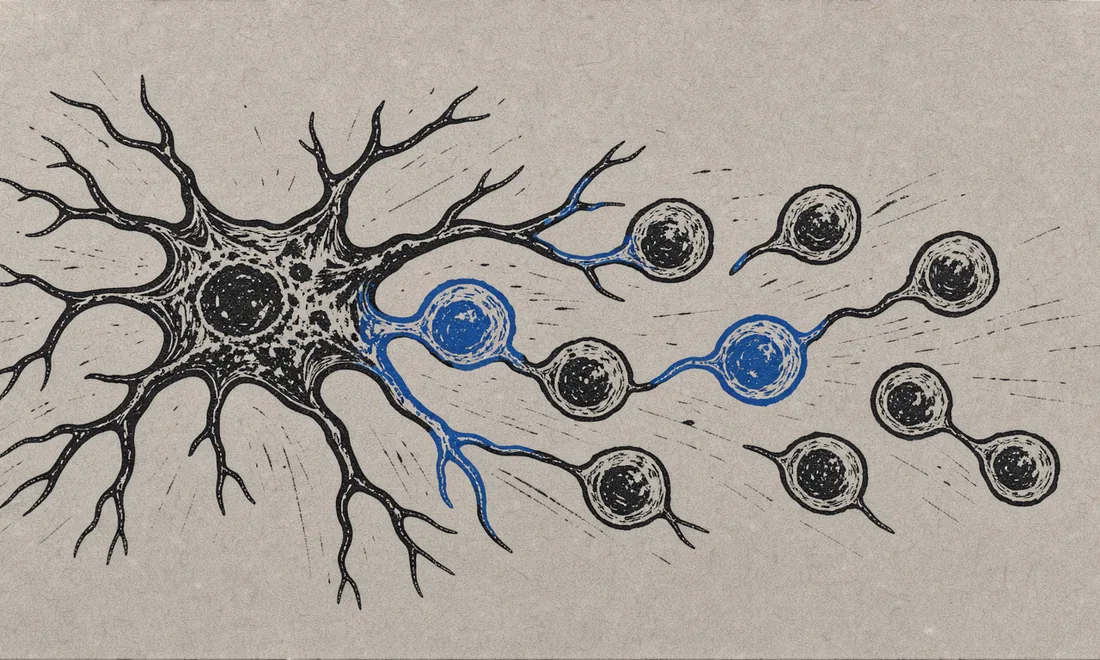
Dendritic cells help present threats to other immune cells. In experiments involving mouse and human dendritic cells, thymosin alpha-1 activated IDO, an enzyme that breaks down tryptophan. The response depended on Toll-like receptor 9 plus the receptor for type-I interferon, and led to interleukin-10 production and regulatory T cells alongside immune activation.
The word boost loses most of this detail. An immune response can include the development of cells that restrain other cells, as well as cells that attack. Those experiments clarify possible responses; the effect on an illness still depends on the setting in which the signal arrives.
The cancer-therapy reappraisal discusses thymosin alpha-1 as an adjunct to other treatments. For cancer, I see a context for further investigation rather than grounds for a general benefit claim.
Sepsis survival
Sepsis, a dangerous illness caused by the body's response to infection, put the clinical question bluntly: did more patients survive? In ETASS, the earlier trial of 361 patients, 28-day mortality was 26.0% with thymosin alpha-1 and 35.0% in controls. Different statistical analyses gave different readings of how securely chance could be excluded, leaving the apparent benefit uncertain.
The later phase 3 TESTS trial included 1,106 adults across 22 centres. Deaths by 28 days were 23.4% with thymosin alpha-1 and 24.1% with placebo. Treatment assignment was concealed from participants and study staff. There was no statistically significant mortality difference.
TESTS leaves me sceptical about a general sepsis benefit. The immune-cell experiments remain interesting, but the largest rigorous survival test leaves routine sepsis benefit unestablished. A result in one illness also leaves questions about another illness open.
Medical history and safety
Thymosin alpha-1 has a history of medical use and approvals in other countries; it lacks approval for marketing in the United States. The comprehensive literature review describes generally good tolerability in the settings studied, with local irritation, redness or discomfort among the main adverse effects. Pregnancy and breastfeeding data remain limited.
Its immune effects raise theoretical concerns in autoimmune disease and organ transplantation, where enhancing some responses could be unwelcome. Its regulatory effects make simple predictions harder. These are mechanism-based cautions rather than demonstrated harms in those groups.
Community accounts mention fewer infections, faster recovery from illness and steadier energy; others report no change. Redness, itching, stinging, headache, tiredness and brief aches also appear. These are anecdotal reports, without the clinical evidence needed to establish cause or frequency. Feeling more resilient cannot reveal which immune-cell response occurred.
A convincing answer would identify which immune conditions predict a useful response. The negative sepsis finding is a substantial constraint on enthusiasm, and the overseas medical history cannot establish the contents of an unchecked product.